
A little pink in the sink after brushing is easy to shrug off. It rarely hurts, it often stops on its own, and plenty of people assume it means they brushed too hard. But healthy gums do not usually bleed from ordinary brushing and flossing. Bleeding is one of the earliest signs that the gums are inflamed, and it is the signal most worth paying attention to.
This article explains what bleeding gums can mean, why gum disease so often goes unnoticed, how a periodontal examination tells the difference between mild and advanced disease, and when it makes sense to see a periodontist rather than waiting for your next cleaning.
Why gums bleed
The most common cause is plaque, the soft film of bacteria that builds up along the gum line every day. When it is not fully removed, the gum tissue reacts with inflammation. Inflamed tissue is swollen, more fragile and has more blood flow, so it bleeds when a toothbrush or floss touches it.
Other things can contribute or make bleeding more noticeable, including hormonal changes such as pregnancy, some medications that affect clotting, smoking (which can actually mask bleeding), and certain medical conditions such as diabetes. If you notice bleeding elsewhere, unusual bruising, or bleeding gums alongside feeling unwell, talk to your physician as well as your dentist.
Gingivitis and periodontitis are not the same thing
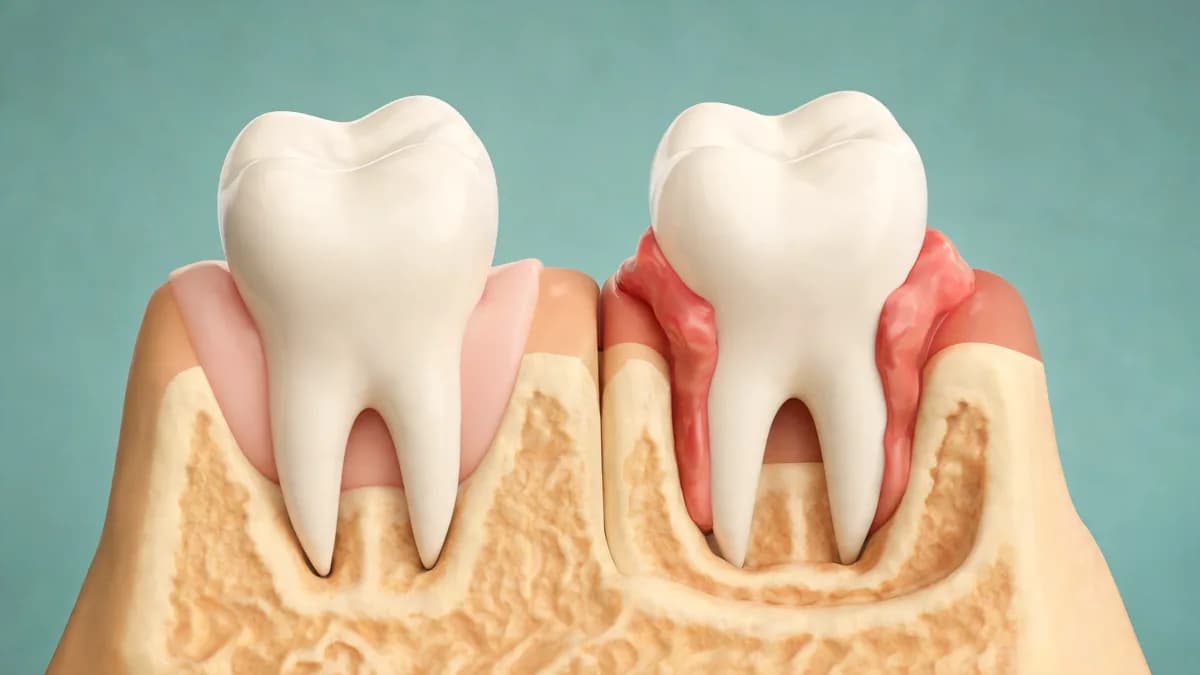
Gum disease has two broad stages. Gingivitis is inflammation of the gum alone. It causes redness, swelling and bleeding, and it is reversible: with good daily cleaning and professional care, the tissue can return to health.
Periodontitis is what happens when the infection moves below the gum line and begins to break down the attachment and the bone that hold the tooth in place. The gum pulls away from the tooth and forms a pocket that a toothbrush cannot reach. Bone that is lost this way does not grow back on its own, which is why catching it early matters. The National Institute of Dental and Craniofacial Research has a clear overview of how the two stages differ (NIDCR: gum disease).
The difficult part is that both stages can feel the same from the inside. Bleeding may be the only thing you notice in either case, and periodontitis can progress for years without pain.
Signs that it may be more than gingivitis
Bleeding on its own is a reason to have your gums checked. These signs alongside it suggest the problem may have moved beyond the gum surface:
- Gums that have receded, or teeth that look longer than they used to
- Persistent bad breath or a bad taste that does not go away
- Teeth that feel loose, or a bite that feels different
- Gaps opening up between teeth, or teeth that have started to drift
- Pus or tenderness around a tooth
- A family history of losing teeth to gum disease
None of these mean you will lose a tooth. They do mean it is time for a proper periodontal examination rather than another wait and see. Our gum disease treatment page covers how the condition is treated.
What a periodontal examination measures
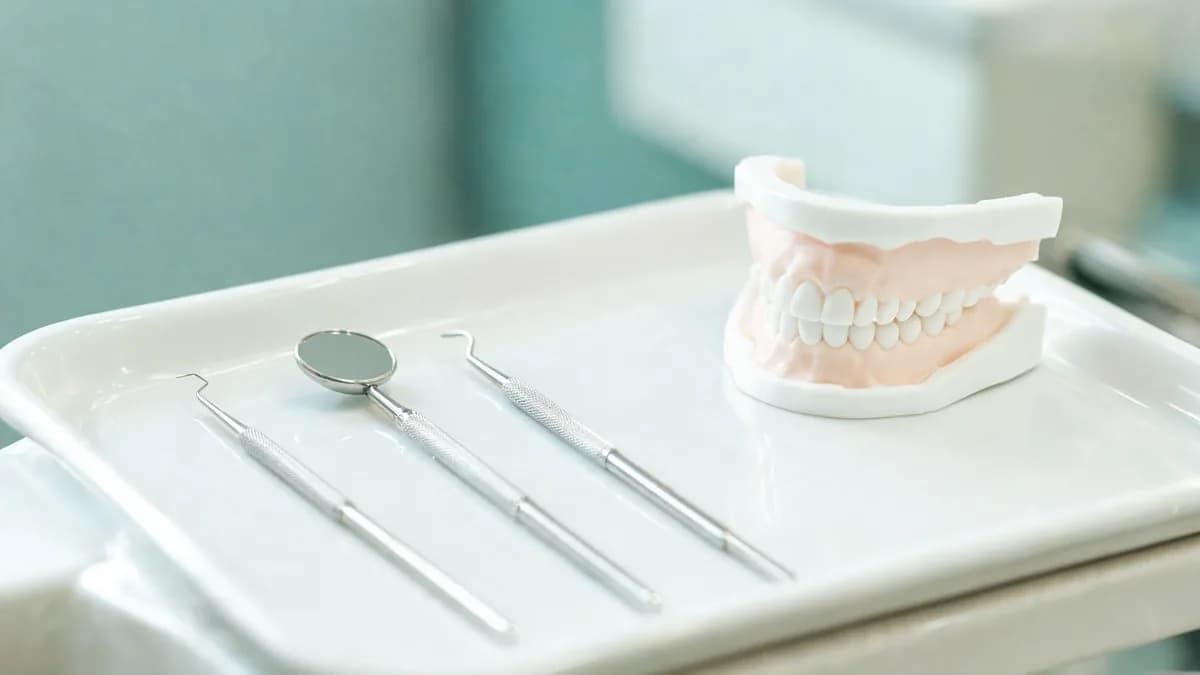
A periodontal exam is more detailed than a quick look. A thin, blunt instrument called a probe is used to measure the depth of the space between the gum and each tooth at several points. Healthy pockets are shallow. Deeper readings, along with bleeding when the area is measured, tell us where the attachment has been lost.
The exam also records any recession, checks each tooth for movement, and compares all of that with radiographs that show the bone level. Together those numbers form a chart, and that chart is the diagnosis. It also becomes the baseline every future visit is measured against.
At our offices you are shown your own chart and walked through what the numbers mean. It is your mouth, and the numbers are not hard to read once someone explains them.
What treatment usually looks like
For gingivitis, the answer is usually a thorough professional cleaning and better daily cleaning at home. For periodontitis, most cases start with a non surgical treatment called scaling and root planing, which cleans the root surfaces below the gum line under local anesthesia so the tissue can heal against them.
Where deep pockets remain after healing, surgical care may be recommended to clean the roots properly and, in some sites, to rebuild lost bone. After active treatment, periodontal maintenance visits at a shorter interval than a standard cleaning help keep the disease from returning. The interval is set from your chart, not from a rule.

What you can do at home starting today
Keep cleaning the areas that bleed. It is tempting to avoid them, but leaving plaque in place keeps the inflammation going. A few habits make a real difference:
- Brush twice a day with a soft brush, angled toward the gum line, using gentle pressure.
- Clean between your teeth once a day with floss, interdental brushes or a water flosser, whichever you will actually use.
- If you smoke, quitting is one of the most effective things you can do for your gums.
- Pay attention to whether bleeding improves over a couple of weeks. If it does not, or it comes back, have it checked.
Home care helps gingivitis a great deal. It cannot reach the bottom of a deep pocket, which is why periodontitis needs professional treatment.
When to see a periodontist
Your general dentist is usually the first person to spot gum disease, and many patients are referred by them. You can also contact a periodontist directly. It makes sense to book an evaluation if your gums bleed regularly despite good brushing and flossing, if you have any of the warning signs above, if you have been told you have deep pockets or bone loss, or if gum disease runs in your family.
Premier Periodontics has offices in Bakersfield and Valencia. If your gums have been bleeding, book a consultation and we will measure, explain what we find, and lay out the options.
Common questions
Is it normal for gums to bleed when I floss for the first time in a while?
Some bleeding when you restart flossing is common, because the tissue between the teeth is usually inflamed. If it does not settle after a couple of weeks of daily cleaning, have your gums checked.
Can bleeding gums go away on their own?
Bleeding from gingivitis often improves with consistent brushing and cleaning between the teeth. Bleeding from periodontitis comes from pockets below the gum line that home care cannot reach, so it needs professional treatment.
Does gum disease always hurt?
No. Periodontitis is often painless until it is advanced, which is why bleeding, recession and bad breath are worth acting on even when nothing hurts.
Do I need a referral to see a periodontist?
Many patients are referred by their general dentist, but you can also contact a periodontist directly. Some dental plans have their own referral rules, so it is worth checking yours.
Is scaling and root planing the same as a regular cleaning?
No. A regular cleaning removes deposits above and just below the gum line. Scaling and root planing is a therapeutic procedure that cleans the root surfaces deep inside the pocket, done with the area numbed.
More from the blog

Crown Lengthening: Why Your Dentist Recommended It and What to Expect
Crown lengthening exposes sound tooth so a crown can hold, or evens out a gummy smile. Here is why it is recommended and what the visit and the weeks after look like.
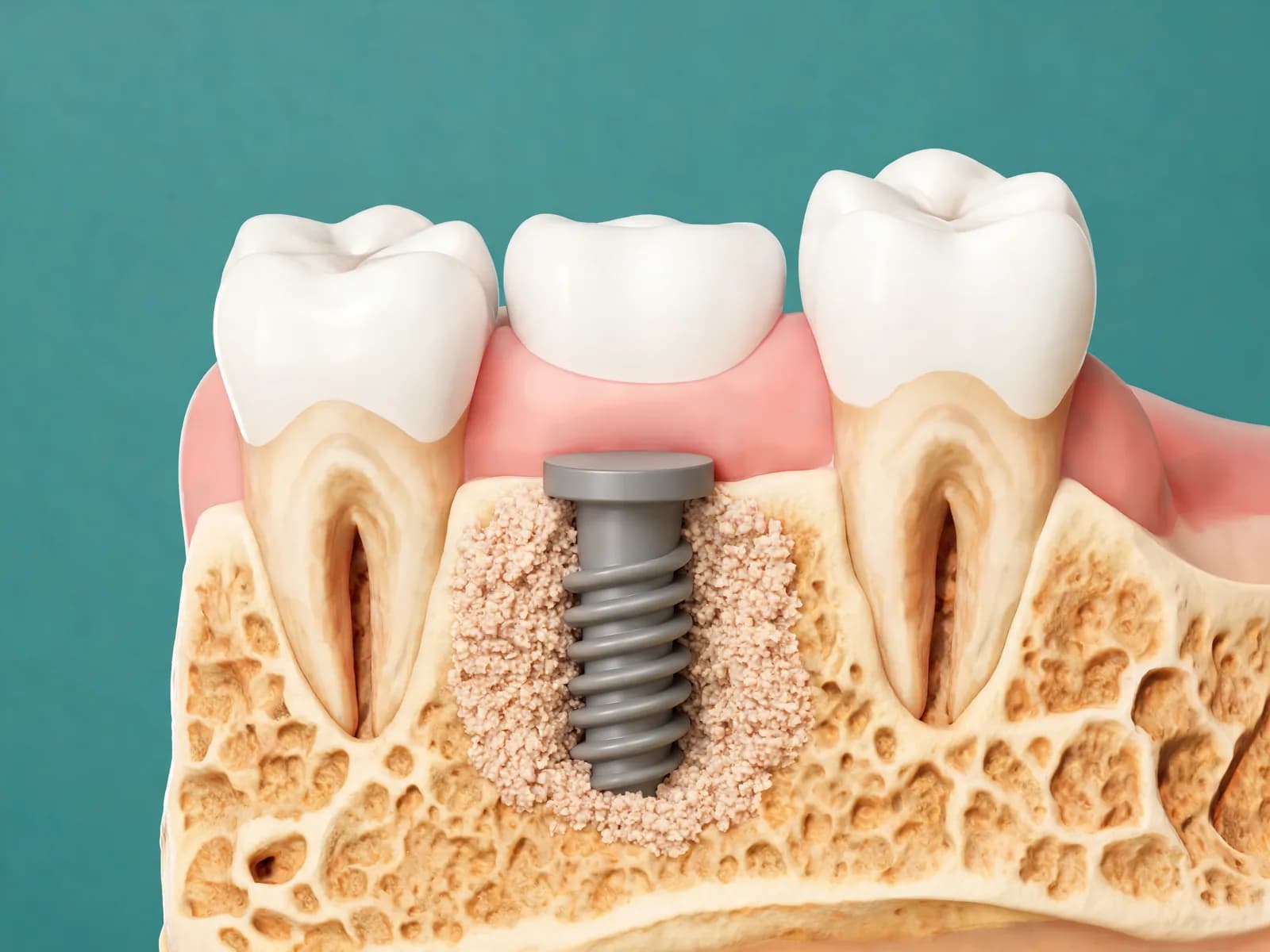
Bone Grafting Before an Implant: What Shapes the Cost and How Insurance Fits In
No two bone grafts are priced the same, because no two sites need the same work. Here is what drives the fee, how dental plans commonly treat it, and what to ask.