If you have been told you need a bone graft before a dental implant, one of your first questions is probably what it will cost and whether your insurance will help. Both are fair questions, and the honest answer to each is that it depends on your mouth and your plan. That is not a dodge. A small graft placed when a tooth is removed and a large rebuild of a collapsed ridge are very different procedures, and dental plans vary widely in what they include.
This article explains what actually drives the fee for bone grafting, how dental benefits commonly handle grafting and implants, and the questions worth asking so there are no surprises. At Premier Periodontics, the diagnosis is explained and the cost is put in front of you before anything is booked.
Why a bone graft is sometimes needed
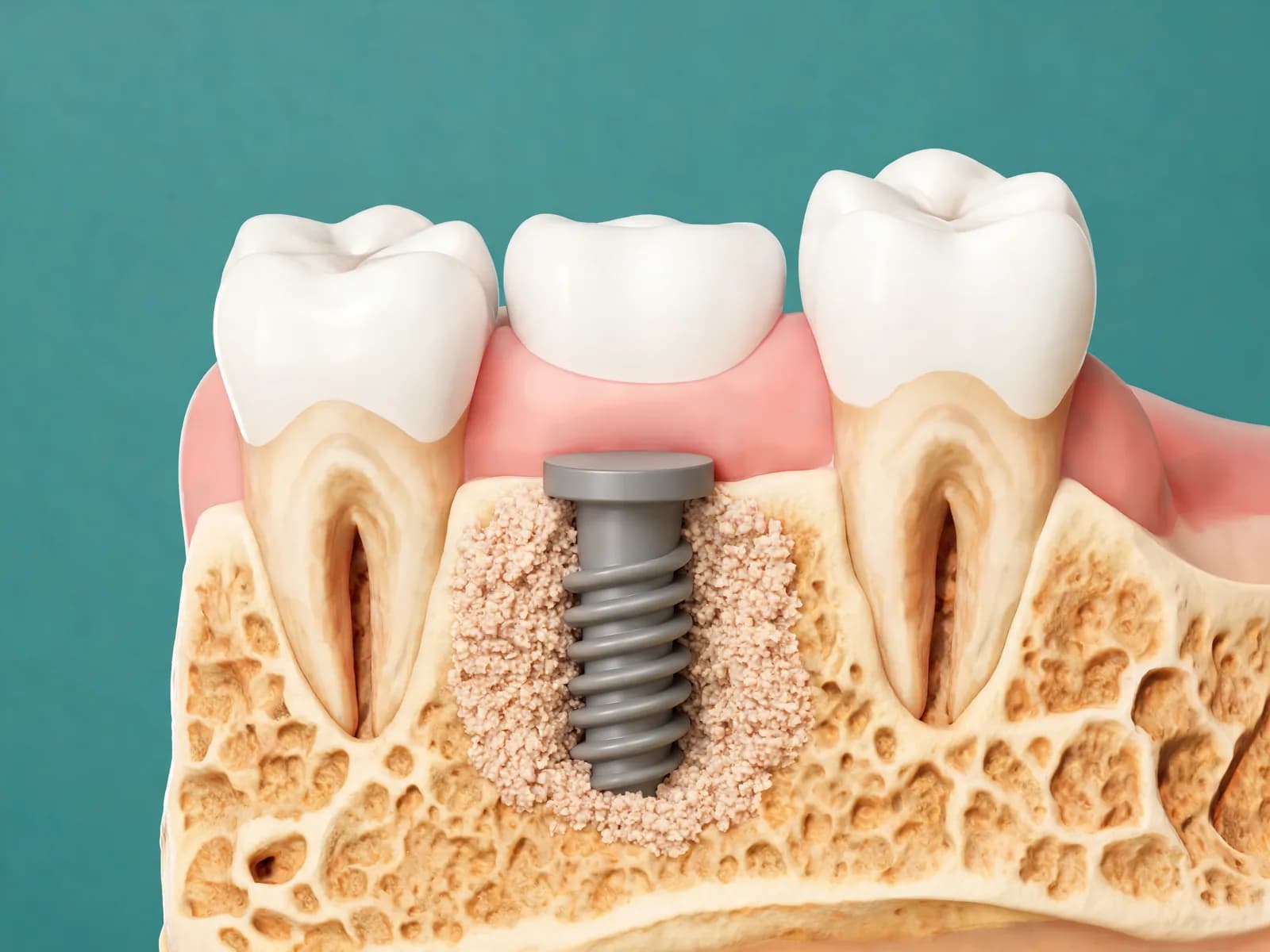
An implant needs enough bone around it, in height and in width, to integrate and stay stable. After a tooth is lost, the bone that held it begins to resorb, and most of that change happens in the first year. Gum disease, infection, injury and long term denture wear can all add to the loss.
The result is that a site that could have taken an implant easily may no longer have enough bone for one. A graft rebuilds or preserves that bone so the implant has a sound foundation. Our bone grafting page explains the procedures in more detail, and the American Academy of Periodontology has a helpful overview of implant candidacy, including the need for adequate bone (AAP: dental implant procedures).
What shapes the fee: the type of graft
The single biggest factor is how much work the site needs. Broadly, grafts fall into three groups:
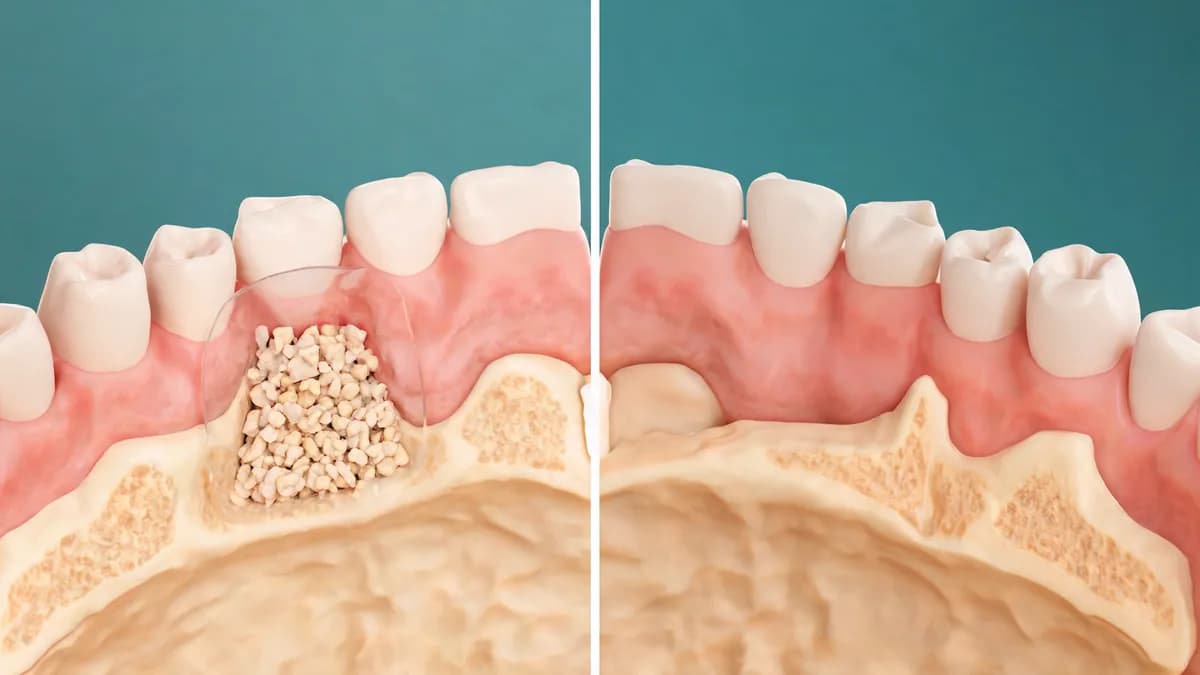
- Ridge preservation: a graft placed in the socket at the moment a tooth is removed, to hold the shape of the ridge while it heals. It is usually the most contained of the three.
- Ridge augmentation: rebuilding width or height in a site that has already shrunk. The larger the defect, the more involved the procedure.
- Sinus augmentation: raising the floor of the sinus to create vertical room for an implant in the upper back jaw. Our sinus augmentation page covers this one.
The graft material matters too. It may be your own bone, processed donor bone, mineral of bovine origin, or a synthetic, sometimes with a protective membrane over it. The choice follows the size of the defect and the job the graft has to do, and you will be told what is being used and why.
What shapes the fee: planning and timing
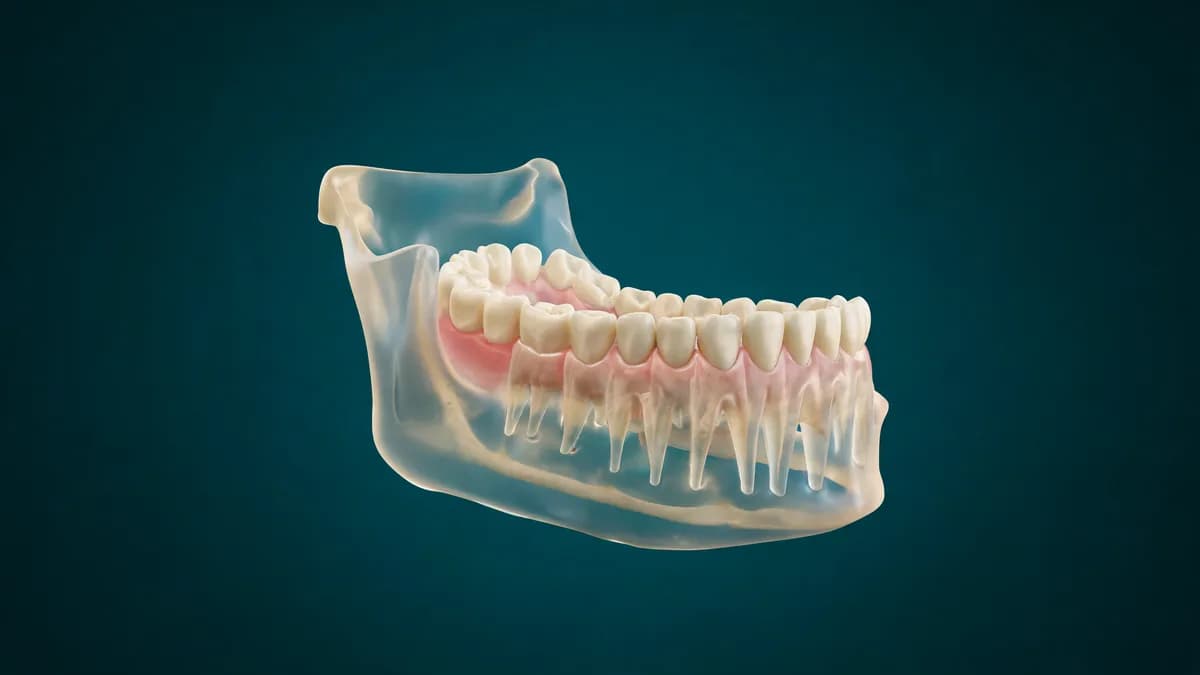
Planning is part of the cost and part of the safety of the procedure. When needed, we use 3D cone beam imaging to evaluate the bone and the surrounding anatomy and to plan implant and grafting procedures. That scan shows the height, width and density of the bone and where the sinus and nerve sit.
Timing also affects the overall plan. In some cases extraction, grafting and implant placement can be combined into one appointment. In others, a larger graft is given time to mature, commonly four to nine months, before an implant goes in, which means separate visits. When you compare options, compare the whole sequence rather than one line item.
Remember that the implant is only part of the picture. We place the implant, and your restorative dentist makes the abutment and crown as part of their own treatment. Ask both offices for an estimate so you see the full plan.

How dental plans commonly handle grafting and implants
Every plan is different, so treat the points below as things to check, not answers. The American Dental Association has a plain language guide to how dental plans work, including deductibles, annual limits and HMO style plans that require referrals (ADA MouthHealthy: types of dental plans).
- Annual maximums. Many dental plans cap what they will pay in a benefit year. Grafting and implant treatment can reach that cap quickly, which is one reason treatment is sometimes staged across benefit years when it is clinically reasonable to do so.
- Coverage categories. Plans classify procedures differently. Some include implants and related grafting, some include part of it, and some exclude it. Read the section on major or surgical services.
- Waiting periods and missing tooth clauses. Some plans do not cover major work for a set time after enrolling, or exclude replacing a tooth that was missing before coverage began.
- Referral rules. HMO style dental plans may require a referral from your primary dentist before a specialist visit.
The most useful step is to ask for a pre-treatment estimate, sometimes called a predetermination. It is sent to your plan before treatment and tells you what the plan expects to pay. It is not a guarantee, but it removes most of the guesswork.
Questions to ask before you book
Bring these to your consultation. A clear answer to each one tells you a great deal about the plan in front of you:
- Do I need a graft at all, and why? What happens if I wait or skip it?
- Which type of graft, and which material, and what will it achieve?
- Will the graft and the implant be done together or in separate stages?
- How long will healing take before the next step?
- What is included in the fee, and what is billed separately, such as imaging or the crown?
- Has a pre-treatment estimate been sent to my plan?
If cost is a concern, say so at the start. Knowing your priorities helps us explain what each option can and cannot achieve, including whether a less involved approach is reasonable for your situation.
The best time to plan is before a tooth comes out
Because bone shrinks fastest in the months after an extraction, planning the replacement before a tooth is removed often keeps the later work simpler. A ridge preservation graft at the time of extraction can help hold the site for a future implant. Waiting until the ridge has collapsed generally means more rebuilding later.
If you have been told you need a bone graft, or you are facing an extraction and want to understand your options, book a consultation at our Bakersfield or Valencia office. You will see your own scans, hear the options in plain language, and have the cost in front of you before anything is scheduled. Our dental implants page explains how we work with your dentist through the whole process.
Common questions
Is a bone graft always needed before a dental implant?
No. Many sites have enough bone for an implant without grafting. Whether you need one depends on the height, width and density of bone at the site, which is assessed from an examination and imaging.
Does dental insurance cover bone grafting?
It depends on your plan. Some plans include grafting and implants, some include part of the treatment, and some exclude it. A pre-treatment estimate sent to your plan is the most reliable way to find out before treatment.
Can medical insurance help with a bone graft?
In some situations, for example after an injury, a medical plan may be involved. This varies a great deal, so ask your plan directly and ask the office what documentation would be needed.
Why did my estimate change after the scan?
Imaging can show that a site has more or less bone than it appeared from a flat radiograph, which can change the type of graft or the number of stages needed. A plan based on the 3D scan is the more accurate one.
Will I know the cost before treatment starts?
Yes. The diagnosis is explained, the options are laid out with what each can and cannot achieve, and the cost is put in front of you before anything is booked.
More from the blog

Tooth Extraction Recovery: How to Protect the Socket and Avoid Dry Socket
The first few days after an extraction decide how smoothly it heals. Here is what is normal, what to avoid, and the signs of dry socket that mean you should call.

Crown Lengthening: Why Your Dentist Recommended It and What to Expect
Crown lengthening exposes sound tooth so a crown can hold, or evens out a gummy smile. Here is why it is recommended and what the visit and the weeks after look like.