
Having a tooth removed is usually the quick part. What happens in the days that follow matters just as much, because the socket heals best when one small thing is protected: the blood clot that forms in it after the tooth comes out. That clot is the body's natural dressing. It shields the bone and nerve endings underneath and becomes the scaffold for new tissue.
This guide covers what is normal after an extraction, the habits that protect the clot, what dry socket is and how to recognize it, and why the plan for the empty space is best made before the tooth is removed. Your own written instructions always come first, since every extraction and every patient is a little different.

The first 24 hours
The first day is about letting the clot form and stay put. The instructions we give our own extraction patients center on a few simple steps:
- Firm pressure on gauze for the first hour. Bite down steadily on the gauze placed over the site. Light oozing for the rest of the day is normal.
- No smoking. Smoking is one of the strongest risk factors for dry socket and slows healing.
- No straws. The suction can pull the clot out of the socket.
- No vigorous rinsing or spitting. Let the site rest. Gentle care resumes as your instructions describe.
A cold compress on the outside of the face, used on and off, can help limit swelling during the first day. Rest with your head slightly raised, and avoid strenuous exercise, which raises blood pressure and can restart bleeding.
Days two to seven: what is normal
Swelling often peaks around the second or third day and then eases. Mild to moderate soreness is expected and usually improves each day. Some bruising on the cheek can appear, particularly after a more involved removal. Take any pain relief exactly as recommended for you.
Keep the rest of your mouth clean. Brush your other teeth as usual and be gentle near the socket. Your instructions will tell you when gentle rinsing can begin. A clean mouth heals better than one left alone for fear of disturbing the site.
What is not normal is pain that steadily gets worse after it had been improving, a fever, swelling that keeps increasing after the third day, or bleeding that will not slow with pressure. Any of those is a reason to call the office.
What dry socket is, and how to recognize it
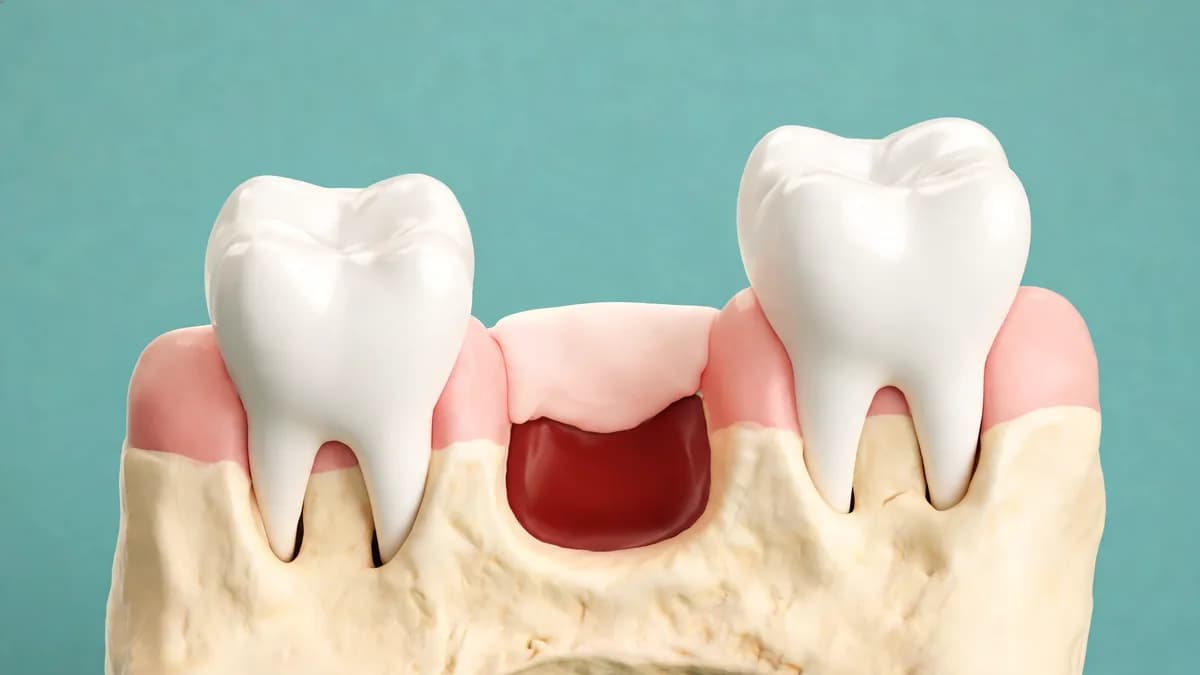
Dry socket happens when the blood clot is dislodged or dissolves too early, leaving the bone in the socket exposed. The American Dental Association describes it as a painful condition that sometimes occurs after an extraction, when the clot is displaced and bone and nerves are left exposed (ADA MouthHealthy: dry socket).
It typically shows up a few days after the extraction rather than on the first day. The signs to watch for:
- Pain that gets noticeably worse a few days after the extraction instead of better
- Pain that spreads toward the ear, eye or temple on the same side
- An empty looking socket where you might otherwise see a dark clot
- A bad taste or bad smell from the area
Dry socket is uncomfortable but treatable. Treatment generally involves cleaning the socket and placing a soothing medicated dressing, which often brings relief quickly. If you think you have it, call rather than waiting it out. We would rather hear from you early.

Eating and drinking while the site heals
Soft, cool or lukewarm foods are easiest for the first few days. Good options include yogurt, smoothies eaten with a spoon, applesauce, mashed potatoes, scrambled eggs, oatmeal that has cooled, and soups that are warm rather than hot.
Chew on the opposite side, and avoid crunchy, hard or small seeded foods that can lodge in the socket, such as chips, nuts, popcorn and seeds. Skip alcohol while you are healing and while taking any prescribed medication. Return to your normal diet gradually as the area becomes comfortable.
Plan for the space before the tooth comes out
Once a tooth is removed, the bone that supported it begins to shrink, and much of that change happens in the first months. If you may want a dental implant later, the best time to decide is before the extraction, not after the ridge has already narrowed.
Where an implant is likely, a ridge preservation graft can be placed in the socket at the time of extraction to help hold the shape of the site while it heals. Where an implant is not planned, there is no reason to graft by reflex. Our tooth extraction and site preservation page explains how that decision is made, and the bone grafting page covers the grafts themselves.
Periodontal practice is built around keeping teeth, so removal is the conclusion of an assessment rather than the opening offer. If you have been told a tooth may need to come out, it is reasonable to ask what the alternatives are.
When to call us
Call the office if bleeding does not slow with firm pressure, if pain or swelling is getting worse after the third day, if you develop a fever, or if you think you may have dry socket. During office hours, urgent periodontal problems are triaged by phone. For severe swelling that affects breathing or swallowing, seek emergency care right away.
Both of our offices, in Bakersfield and Valencia, are listed on the locations page. If a tooth is causing you trouble and you would like an opinion on whether it can be saved, book a consultation.
Common questions
How long does a tooth extraction take to heal?
The gum over the socket usually closes over the first weeks, while the bone underneath continues to remodel for months. Most people feel back to normal within days to a week or two, depending on the tooth and the extraction.
When can I stop worrying about dry socket?
Dry socket usually appears within the first several days after an extraction. As the days pass and the site keeps improving, the risk falls. Keep following your instructions until your follow-up or until you are told otherwise.
Can I drink coffee after an extraction?
Very hot drinks are best avoided on the first day. After that, lukewarm drinks sipped from a cup are generally fine. Do not use a straw.
Is it safe to smoke or vape after an extraction?
Smoking and vaping are best avoided while the socket heals. Smoking is one of the strongest risk factors for dry socket, and the suction involved can disturb the clot.
Should I get a bone graft when my tooth is removed?
It depends on what you plan for the space. If a dental implant is likely, a graft at the time of extraction can help preserve the site. If not, a graft may not be needed. This is discussed before the extraction.
More from the blog
Bone Grafting Before an Implant: What Shapes the Cost and How Insurance Fits In
No two bone grafts are priced the same, because no two sites need the same work. Here is what drives the fee, how dental plans commonly treat it, and what to ask.

Bleeding Gums When You Brush: When It Is Time to See a Periodontist
Bleeding when you brush is not normal, even if it does not hurt. Here is what it can mean, what a periodontal exam measures, and when a specialist visit makes sense.