
If your dentist has told you a tooth needs crown lengthening before it can be crowned, or you have asked about a smile that shows more gum than tooth, you are probably wondering what the procedure involves and why a periodontist is the one doing it. The short answer: crown lengthening adjusts the level of the gum, and often a small amount of the bone beneath it, so that more of the natural tooth is exposed.
That one change can do two very different jobs. It can give a damaged tooth enough sound structure for a crown to hold, or it can reveal teeth that were always a normal size but sat partly hidden under tissue. This guide walks through both reasons, what happens at the appointment, and what the weeks afterwards are like.
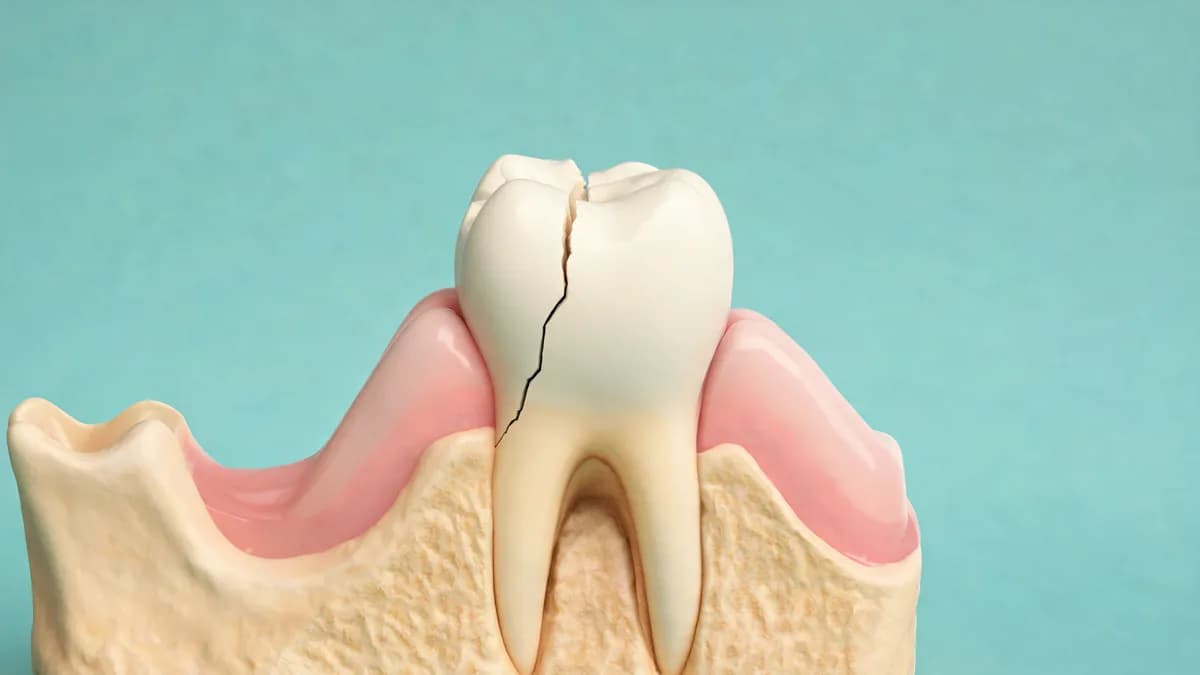
The functional reason: giving a crown something to hold
A crown works by gripping sound tooth structure. When decay, a fracture or an old filling runs below the gum line, there may not be enough healthy tooth above the bone for a crown to seat on. A crown placed on that tooth as it stands has little to hold onto, and its edge would sit down where the gum and bone attach to the tooth.
That attachment zone matters. Between the top of the bone and the edge of the gum there is a narrow band of tissue, often called the biologic width, that the body protects. When a restoration intrudes into it, the gum tends to stay inflamed rather than settle. Crown lengthening moves the gum and bone back by a small, measured amount so the new crown margin can sit on healthy tooth without crowding that zone.
In practice this is usually a single tooth, referred by your general dentist with a clear question: can this tooth be restored, and what does it need first? Our crown lengthening page describes the procedure in more detail.
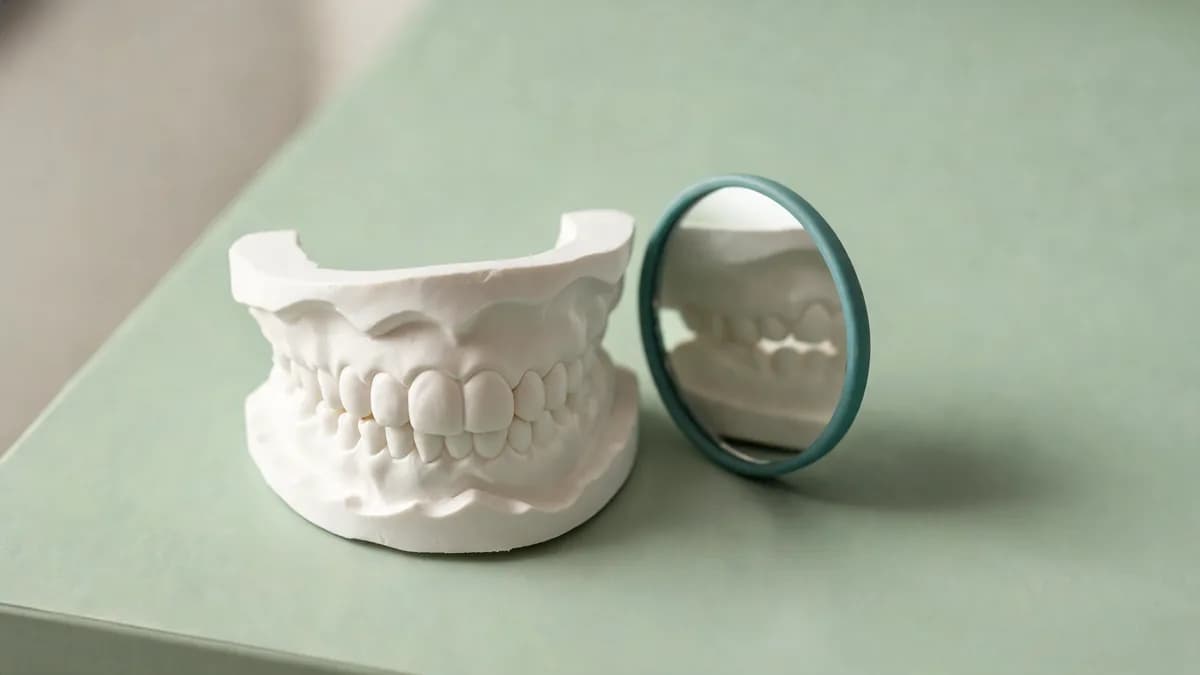
The aesthetic reason: a gummy or uneven smile
Some people feel their teeth look short, or that their smile shows a lot of gum. Often the teeth themselves are a normal length but are partly covered by tissue. In other cases the gum line is uneven, so one front tooth looks longer than its neighbor.
Aesthetic crown lengthening recontours the gum, and where needed the bone beneath it, to reveal more of each tooth and to even out the line. The American Academy of Periodontology describes the procedure as reshaping excess gum and bone tissue to expose more of the natural tooth, done on one tooth or across several (AAP: surgical procedures).
These cases are planned against your smile line and lip position, not just the teeth in isolation, and they are usually coordinated with your dentist if veneers or crowns will follow. It is worth knowing that not every gummy smile comes from excess tissue. Sometimes the cause is the position of the jaw or the movement of the lip, and that is something an examination sorts out before anything is planned.
What happens at the appointment
Planning comes first. The periodontist examines the tooth or teeth, measures the gum and the attachment, and reviews radiographs to see where the bone sits. For functional cases, we confirm with your dentist where the crown margin needs to be. You see the findings and the plan, and the cost is put in front of you before anything is booked.
The procedure itself is done under local anesthesia, so the area is numb. Depending on the case, it may involve:
- Reshaping the gum alone, when there is already enough distance between the bone and where the new gum edge should sit.
- Gently lifting the gum and reshaping a small amount of bone, when the bone needs to move as well so the attachment can reform at a healthy level.
- Placing stitches to hold the tissue in its new position while it heals.
How long the visit takes depends on the number of teeth and how much bone is involved, and you will know what to expect for your own case before the day. You will go home with written instructions for the days that follow.

Recovery: the first two weeks
Most patients describe the recovery as mild. Some tenderness and swelling around the area is normal for the first few days, and over the counter pain relief is often enough, though your own instructions may differ depending on your health and the extent of the surgery.
A few things help the area heal comfortably:
- Eat soft foods and chew on the other side for the first several days.
- Keep the area clean exactly as instructed, which usually means avoiding brushing the surgical site directly until you are told otherwise.
- Avoid smoking, which slows healing.
- Keep your follow-up visit, when stitches are checked or removed and the tissue is assessed.
If something does not feel right, such as pain that is getting worse rather than better after the first few days, call the office rather than waiting for the next appointment.
Why your dentist waits before the final crown
After crown lengthening, the gum needs time to settle into its final position. If the final impression or scan for a crown is taken too early, the gum can shift afterwards and leave a visible edge or a margin in the wrong place. That is why your dentist will usually place a temporary and wait before making the definitive crown.
How long depends on the tooth, where it is in your mouth and how visible it is. Front teeth, where the gum line shows when you smile, are generally given more time than back teeth. We coordinate that timing with your general dentist so the hand back is clear. If you are a dentist referring a patient, our referring doctors page explains how we share findings.
Is crown lengthening the right option for you?
Crown lengthening is one of several ways to deal with a tooth that has broken down below the gum. Depending on the tooth, alternatives can include moving the tooth orthodontically, or, if the tooth cannot be predictably restored, removing it and planning a replacement such as a dental implant. A periodontist will explain what each option can and cannot achieve for that specific tooth.
If you have been referred for crown lengthening, or you would like an opinion on your gum line, you can book a consultation at either of our offices. Both are listed on our locations page, and the treatments we provide are described on the treatments page.
Common questions
Does crown lengthening hurt?
The procedure is done under local anesthesia, so the area is numb while it is being treated. Afterwards most patients describe mild tenderness for a few days, which is usually managed with the pain relief recommended in your written instructions.
Will my teeth look longer afterwards?
More of the tooth is exposed, so yes, the treated tooth will look longer than before. In aesthetic cases that is the goal. In functional cases on a back tooth it is rarely noticeable, and for a front tooth the plan takes the neighboring teeth into account.
Can crown lengthening be done on just one tooth?
Yes. Functional crown lengthening is very often a single tooth that needs a crown. Aesthetic cases may involve several teeth to create an even gum line.
How soon can I get my crown?
Your dentist will wait for the gum to settle before taking the final impression or scan. The interval depends on the tooth and how visible it is, and it is agreed between our office and your dentist.
Is crown lengthening the same as a gum graft?
No. Crown lengthening removes or reshapes tissue to expose more tooth. A gum graft adds tissue to cover a root that has been exposed by recession. They solve opposite problems.
More from the blog
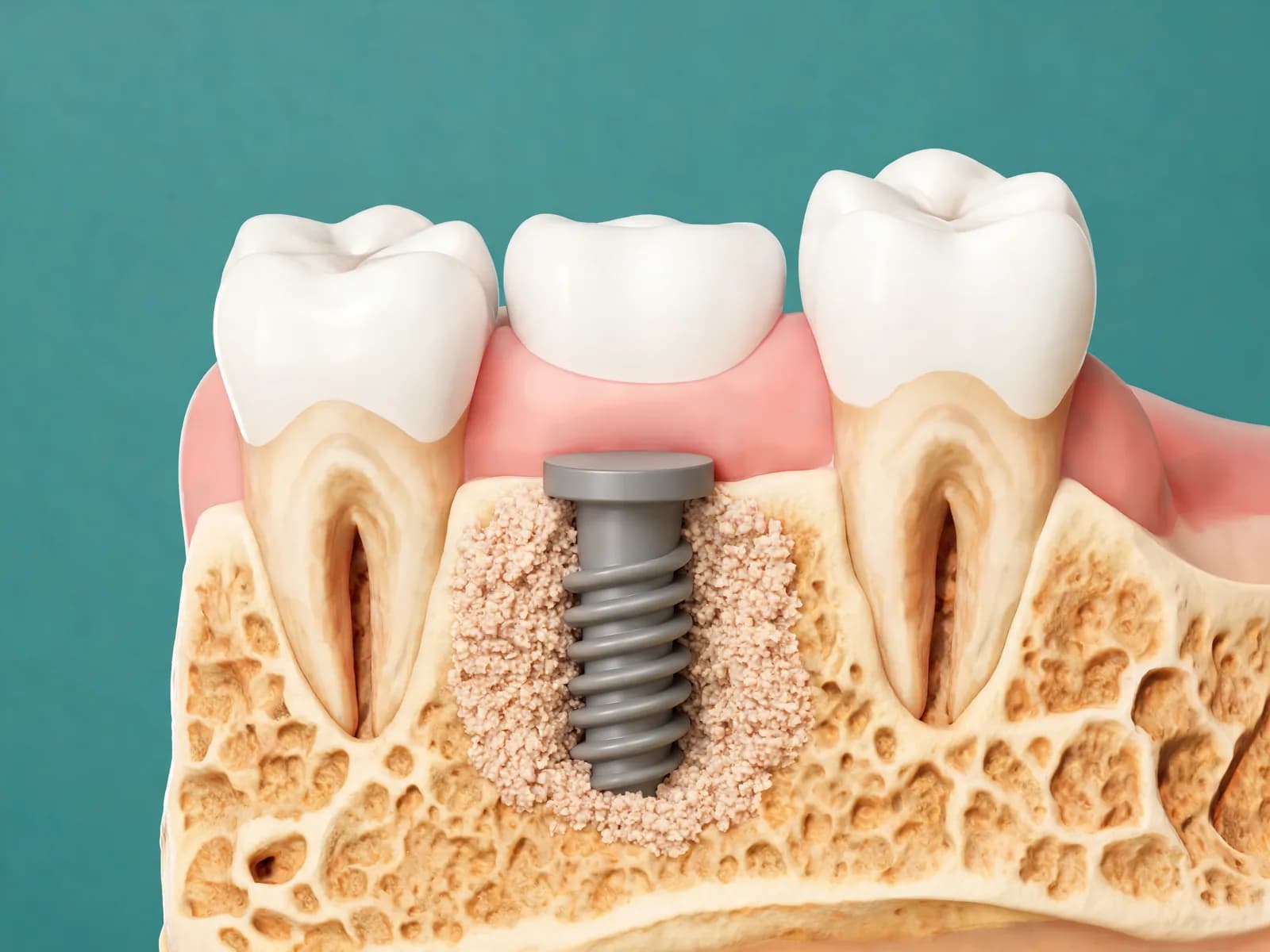
Bone Grafting Before an Implant: What Shapes the Cost and How Insurance Fits In
No two bone grafts are priced the same, because no two sites need the same work. Here is what drives the fee, how dental plans commonly treat it, and what to ask.

Tooth Extraction Recovery: How to Protect the Socket and Avoid Dry Socket
The first few days after an extraction decide how smoothly it heals. Here is what is normal, what to avoid, and the signs of dry socket that mean you should call.